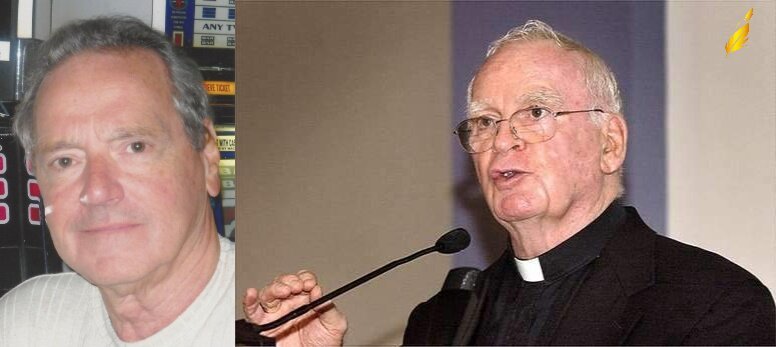

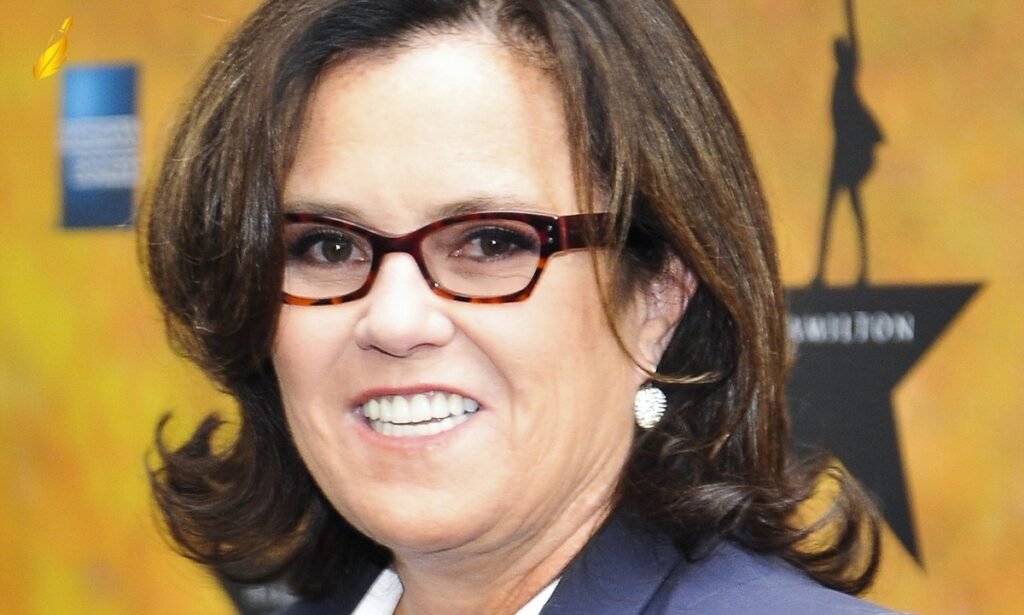
When people learn about Rosie O Donnell — the comedian, actress, talk-show host, and outspoken activist — they often become curious about the family she came from, especially her father, Edward Joseph O Donnell. His name surfaces not because he was a public figure, but because his life had a deep and lasting impact on Rosie’s upbringing, identity, relationships, and later, her advocacy work.
This article takes a detailed, easy-to-read look at Edward Joseph O’Donnell’s life:
his background, career, family history, the tragedy that shaped the O’Donnell home, the allegations that later emerged, and the larger impact his story has on understanding Rosie O’Donnell’s personal journey.
Who Was Edward Joseph O’Donnell?
Early Background and Family Roots
Edward Joseph O’Donnell was the father of five children — including Rosie O’Donnell, born in 1962. He came from an Irish-American Catholic background, with family roots tied to County Donegal, Ireland. Like many Irish families during earlier decades, his family eventually immigrated to the United States, where Edward grew up and built his adult life.
Although limited information is publicly available about his early childhood or education, it is known that he grew up in a home marked by hardship. Rosie has spoken about her father’s difficult upbringing, including having an abusive and alcoholic father of his own. This suggests a cycle of trauma that may have influenced his later behavior and family relationships.
Immigration, Work, and Adult Life
As an adult, Edward settled on Long Island, New York, where he lived for decades. Professionally, he worked as an electrical engineer, later transitioning into aerospace electrical engineering.
Throughout his career, he worked for several major engineering and technology companies, including:
- Fairchild
- Schlumberger
- Grumman
His role provided a stable income, allowing him to support a family of seven. The O’Donnell household lived a modest middle-class life, with a focus on education, Catholic values, and a strong sense of discipline. Materially, the family lived simply — nothing flashy, nothing extravagant — just an ordinary suburban life on Long Island.
Family Life, Marriage, and Children
A Large Irish-American Family
Edward married Roseann Teresa Murtha, also of Irish-American descent. Together, they had five children, with Rosie as the third-born.
The O’Donnell children grew up in a lively, loud, and energetic household — typical of big families at the time. While money was sometimes tight, the children found joy in simple moments, such as:
- listening to music together
- neighborhood games
- school events
- sharing one family car
- and relying on humor to get through tough days
Rosie has often said that laughter became an emotional survival tool — something she would later turn into her career.
The Tragedy That Changed Everything (1973)
In 1973, when Rosie was just 10 years old, the family endured a devastating loss:
their mother, Roseann, passed away from breast cancer, only days before Rosie’s 11th birthday.
This loss was a turning point.
Rosie often describes her mother as warm, nurturing, and deeply loved. Losing her at such a young age fractured the emotional landscape of the home.
Edward’s Emotional Withdrawal
After Roseann’s death, Edward became emotionally distant. According to Rosie, he coped by:
- withdrawing from parenting responsibilities
- removing reminders of Roseann from the home
- avoiding emotional discussions
- struggling to fill the nurturing role his wife once held
The children were left to navigate grief with little emotional support. They grew closer to one another, relying on shared memories — especially their mother’s favorite music — to stay connected.
Trauma, Allegations, and Lingering Pain
Abuse Allegations
Years after Edward’s death, Rosie disclosed publicly that she and her siblings experienced sexual abuse from their father during childhood. She shared that the abuse:
- began when she was very young
- stopped around the time their mother died, when Edward suddenly had to raise five children alone
Rosie has spoken about how confusing, isolating, and traumatic the experience was — especially because the person harming her was also her only surviving parent.
Long-Term Impact on Rosie’s Life
Rosie has been open about the psychological effects of the trauma, including:
- dissociation
- depression
- body-image struggles
- difficulty trusting others
- emotional numbness during childhood
She has said that as a child, she often felt like she “left” her body during the abuse — a common coping response among survivors of trauma.
This complicated past shaped her personality, her humor, and even her public life. It influenced her:
- boldness
- empathy
- advocacy for survivors
- willingness to speak out about difficult topics
- commitment to protecting vulnerable people
Her experiences gave her a deeper understanding of pain, injustice, and healing — all of which are reflected in her activism.
Edward Joseph O’Donnell’s Later Years and Death
Edward spent his later years in New York, living a relatively private life. After retiring from engineering, he stayed close to his children and extended family.
He died in August 2015 at the age of 81, after battling cancer.
At the time of his death, Rosie shared that their relationship had been strained for decades. She had earlier spoken about reaching a place of forgiveness — not to erase the past, but to free herself from it. She said that, with time, she came to understand that her father had profound, unresolved issues of his own.
Years after his passing, she publicly shared the full truth about the abuse she experienced.
Why Edward Joseph O’Donnell Story Matters
A Lens Into Generational Trauma
Edward’s life — and his complicated role in Rosie’s — reflects the painful reality of generational trauma. He grew up in an abusive home himself, and those wounds, left untreated, contributed to a cycle of harm.
By speaking out, Rosie helped illuminate how trauma:
- can be passed down
- often goes unspoken
- shapes identities
- leads to decades of silence
- affects survivors throughout adulthood
A Major Influence on Rosie O’Donnell’s Life and Career
Rosie’s resilience, humor, boldness, and vulnerability are deeply tied to her childhood experiences. Her activism for:
- children in need
- LGBTQ+ youth
- mental health support
- survivors of sexual abuse
…is inseparable from the pain and confusion she endured.
In many ways, Rosie took her trauma and turned it into purpose.
A Broader Cultural Impact
By publicly discussing her father, abuse, and recovery, Rosie:
- helped reduce stigma
- encouraged other survivors to speak
- contributed to public understanding of childhood trauma
- offered solidarity to people with similar experiences
Her story reminds the world that abuse thrives in silence — and that storytelling can be a powerful tool for healing.
Lesser-Known Facts About Edward Joseph O’Donnell
- His family roots trace back to County Donegal, a region known for its strong Irish traditions.
- He raised five children alone after the death of his wife — a difficult task that added to the family’s emotional strain.
- Music, especially their mother’s favorites, became a major source of comfort for the children after her passing.
- Rosie did not publicly disclose the abuse until many years after his death, highlighting how long survivors may carry their experiences silently.
- Despite everything, Rosie has spoken about finding peace and forgiveness — not to absolve, but to move forward.
Frequently Asked Questions
Q: Who was Edward Joseph O’Donnell?
A: He was the father of comedian and actress Rosie O’Donnell, an Irish-American electrical and aerospace engineer who raised five children on Long Island.
Q: What did he do for a living?
A: He worked as an electrical engineer and later in aerospace engineering for several major companies.
Q: What happened to Rosie’s mother?
A: Rosie’s mother, Roseann, died of breast cancer in 1973, when Rosie was 10 years old.
Q: Did Rosie have a close relationship with her father?
A: Their relationship was strained due to emotional distance, trauma, and later-disclosed abuse.
Q: When did Edward O’Donnell die?
A: He passed away in August 2015 at the age of 81.
Q: Why is his story significant?
A: Understanding his life provides context for Rosie’s upbringing, her struggles, her resilience, and her activism for survivors and marginalized communities.
Conclusion
Edward Joseph O’Donnell’s life story is complex — filled with hardship, trauma, responsibility, and painful secrets. His influence on Rosie O’Donnell was profound, both in the ways he harmed her and in the ways she eventually overcame those experiences.
By telling her truth, Rosie transformed a painful history into a message of healing, empathy, and empowerment. Her father’s story is not just part of a celebrity biography — it’s a reminder of the silent battles many families face and the strength it takes to break cycles of trauma.